The Importance of Proper Tree Pruning

Tree pruning is an art that requires knowledge, precision, and the right tools to achieve the best results. Pruning trees and shrubs is an essential part of garden maintenance, contributing to the health, growth, and appearance of plants. Proper tree pruning improves air circulation and allows more light to reach the plant, resulting in healthier growth, more abundant flowering, and higher fruit yields.

There is a wide range of pruning tools available, from handheld pruning shears to specialized saws designed for working high up in trees. These tools are designed to meet the various challenges involved in pruning, whether you are working with fruit trees and shrubs or keeping branches away from power lines.

The Right Time for Tree Pruning

Tree pruning is not just about using the right tools; timing is equally important. The JAS period (July, August, and September) is the most suitable time for pruning many types of trees in Sweden. Pruning during this period gives trees the best possible chance to heal properly and prepare for the upcoming growing seasons. This is particularly important in orchards and vineyards, where proper pruning can affect both the quantity and quality of the harvest.

Make the Right Cuts

Making the right cuts is essential to avoid damaging your trees and shrubs. Every cut creates a wound that the tree needs to seal off. Improper cuts can lead to disease and damage, which, in severe cases, can kill the tree. When removing a branch, it is important to make the cut just outside the branch collar, where the tree's natural defense mechanisms are most effective. This helps prevent infections and promotes proper wound closure. It is also important not to leave stubs, as they can become entry points for disease.

Tree topping, which involves removing the upper portions of a tree's crown, should be avoided, as it can cause serious damage and result in weak, unhealthy regrowth.

Choose the Right Tool and Specialized Saw

Effective tree pruning starts with the right tools. From handheld pruning shears to specialized saws designed for working high up in trees, your choice of equipment makes a significant difference. Specialized pruning saws are particularly important when precision and care are essential to avoid damaging the bark and support the tree's recovery. Each tool has a specific purpose, from fine-tuning small branches to removing thicker limbs.

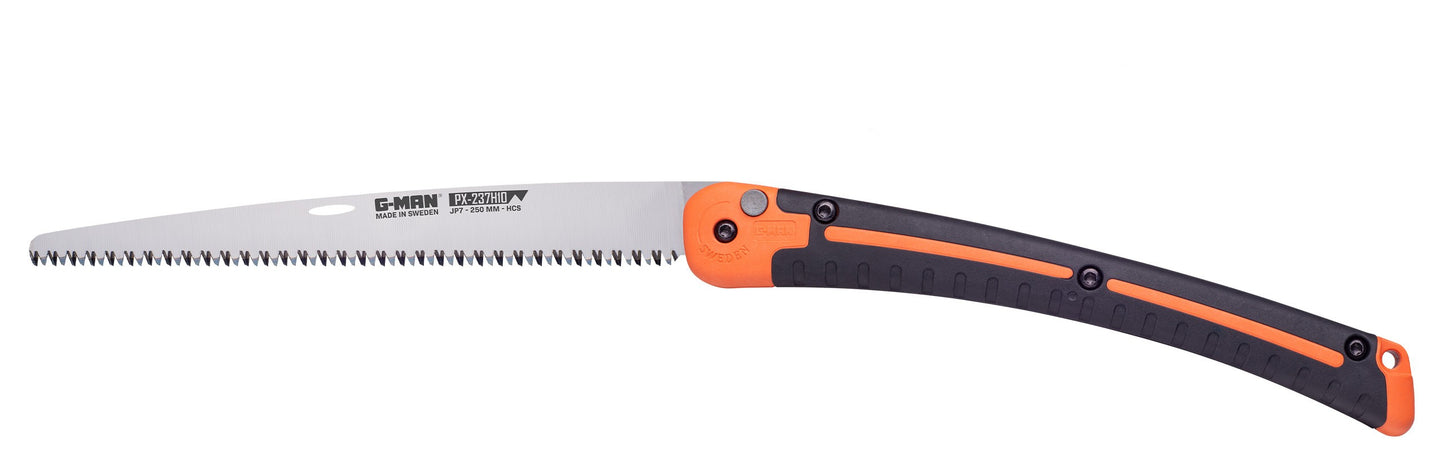
Pruning saws come in various designs, including curved blades and different tooth configurations, such as 7, 9, or 11 teeth per inch (TPI). These are designed to cut efficiently through both fresh branches and dry twigs. Fine-toothed saws are ideal for thinner branches, ensuring clean, precise cuts that promote faster healing. Unlike traditional hand saws, curved pruning saws offer ergonomic advantages, allowing users to reach branches more easily while maintaining a comfortable working position beneath the tree.

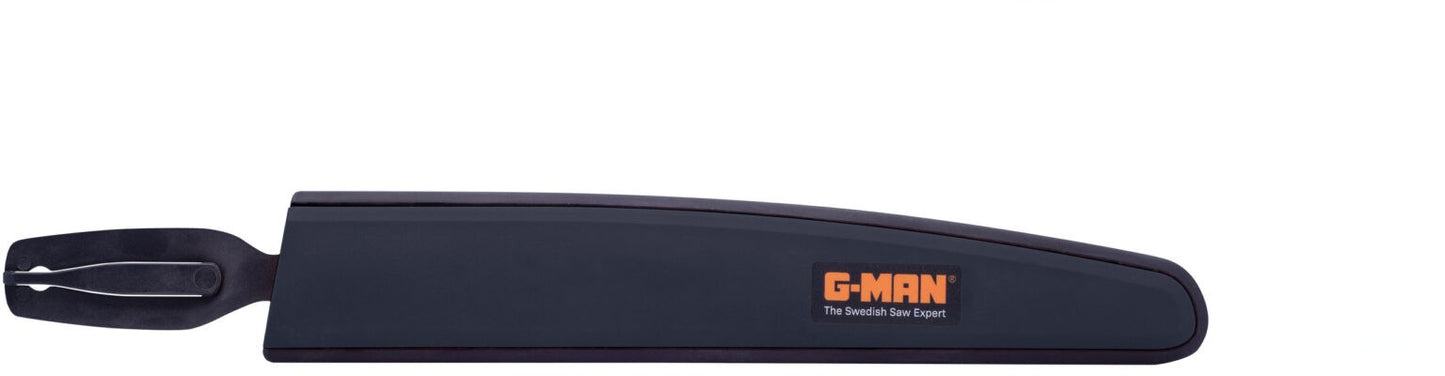
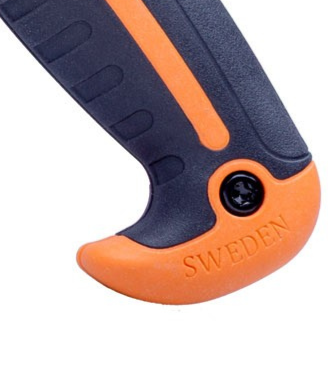
G-MAN Tools offers a wide range of specialized saws designed for different pruning tasks, from trimming dense hedges to cutting high tree branches.

 Curved vs. Straight Pruning Saws

Choosing between a curved and a straight pruning saw depends on the type of pruning work and the position of the branch. Curved pruning saws are particularly well suited for cutting branches above head height, as their curved blades help maintain contact with the wood and support an efficient cutting motion. Straight pruning saws are a versatile choice for general pruning tasks, especially when working with branches at a comfortable height and within easy reach.

Consider the branch position, accessibility, and type of cut when choosing the right saw for the job.

Folding Pruning saws 

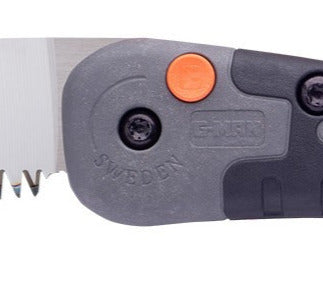
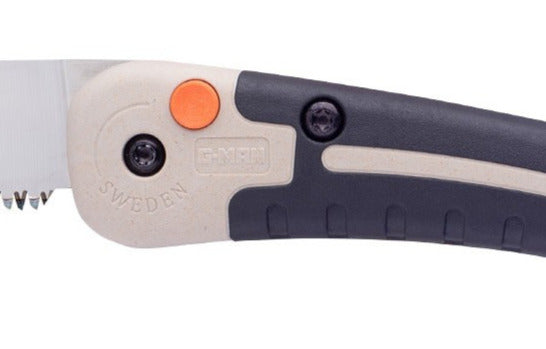
Folding pruning saws are compact and convenient to carry, making them a practical choice for garden maintenance and pruning on the go. The blade folds into the handle for easier storage and transport when not in use.

Extension poles

G-MAN extension poles are designed for safe and efficient pruning of branches at height when used together with compatible pruning saws. The poles feature lightweight aluminium construction for easy handling and reduced risk of work-related strain. A 2-piece soft grip handle provides a comfortable and secure grip during use.

G-MAN extension poles fit pruning saws equipped with tubular handles, including models

  • 233H Pruning Saw with Tubular Handle
  • 333H Curved Professional Pruning Saw
  • 350LH Pruning Saw - Samurai 
  • 470LH Pruning Saw - Viking
  • 485LH Pruning Saw - Ranger

Sustainability and Environmental Impact

Sustainable tree pruning involves more than simply choosing manual tools over powered alternatives to reduce environmental impact. It also means ensuring that every cut is made carefully to minimize damage to the tree. Manual pruning saws offer greater precision and can reduce the risk of damage compared with powered saws, which can cut too aggressively and leave rough, unsightly cuts.

When choosing a saw, it is important to remember that sharper teeth are not always the best choice for every pruning task. G-MAN Tools saws are made in Sweden, featuring in-house design and impulse-hardened teeth that enhance the tool's durability and extend its service life.

Tree Pruning Tips

  • Keep only one central leader. Avoid having multiple competing leaders to help maintain a well-shaped tree crown.
  • Encourage outward-growing branches. Remove branches that grow inward to create a more open, airy crown.
  • Prevent overcrowding. Remove branches that grow in the same direction, rub against each other, or are growing too close together.
  • Choose strong, outward-growing branches. Branches that grow away from the trunk generally provide a better structure, while inward-growing branches may need to be removed.
  • Remove dead and damaged branches. Cut away dry, dead, diseased, or damaged branches to help maintain the tree's health.
  • Prune in dry weather. Moisture and rain can increase the risk of fungal infections, so it is best to prune on a dry, sunny day.

Cleaning and Maintaining Saw Blades

  • Wash the saw blade with warm water.
  • Dry the blade thoroughly.
  • Apply a thin layer of oil to the blade.
  • Store the saw in a dry place.